

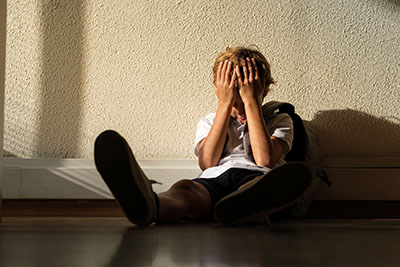
Depression
Depression can manifest differently in children and teens compared to adults. A young person experiencing depression may appear withdrawn, irritable, or easily frustrated. They might lose interest in activities they once enjoyed, struggle academically, or experience changes in sleep and appetite. While some may openly express sadness or hopelessness, others may lack the words to describe their feelings. Therapy offers a safe, supportive space for children and teens to explore their emotions, develop coping skills, and build resilience. With the right guidance, they can learn to navigate their feelings, reconnect with themselves and others, and cultivate hope for the future.

Anxiety
Anxiety can affect children and teens in many ways, including excessive worry, perfectionism, trouble sleeping, school avoidance, or physical symptoms like stomachaches and headaches. Some may experience social anxiety, while others feel overwhelmed by fears, intrusive thoughts, or pressure to meet expectations. Therapy helps young people understand their anxiety, develop healthy coping skills, and build confidence in managing their emotions. With proper support, they can face challenges more effectively, regain a sense of control, and feel safer and more secure in themselves and the world around them.

ADHD
ADHD affects more than just attention—it can influence focus, impulse control, emotional regulation, and task completion, often causing frustration at school, home, and in relationships. Some children primarily struggle with inattention and organization, while others display hyperactivity and impulsivity, or a combination of both. Therapy supports children and teens with ADHD by helping them develop strategies to improve focus, manage emotions, and build self-confidence. Through skill-building, enhanced executive functioning, and targeted support, they can navigate school, friendships, and daily life with greater success and ease.

OCD
Obsessive-Compulsive Disorder (OCD) can lead children and teens to experience intrusive thoughts and perform repetitive behaviors or mental rituals to relieve anxiety. While these compulsions may offer temporary comfort, they can become overwhelming and interfere with daily life, school, and relationships. Common signs include excessive handwashing, checking, counting, or seeking reassurance, though OCD can appear in many different ways. Therapy helps young people understand their obsessive thoughts, reduce compulsive behaviors, and develop healthier strategies for managing anxiety. With proper support, they can break free from the cycle of OCD and regain control, confidence, and balance in their daily lives.

Emotional Regulation
Managing emotions can be challenging for children and teens, especially when frustration, sadness, anxiety, or anger feel overwhelming. This can lead to outbursts, withdrawal, or difficulty expressing feelings, affecting relationships and school. Therapy provides a safe space to understand emotions, build coping skills, and develop resilience, helping young people navigate challenges with greater confidence and stronger connections.

Self Harm
Self-harm can be a way for children and teens to cope with intense emotions, stress, or inner pain when they don’t know how to express their feelings. Actions such as cutting, scratching, or burning may bring temporary relief but often result in shame, secrecy, and deeper emotional difficulties. Therapy offers a safe, nonjudgmental space to explore the underlying causes of self-harm, develop healthier coping strategies, and strengthen emotional resilience. With the right support, young people can learn to manage their emotions in ways that foster healing, self-compassion, and a greater sense of control over their well-being.

Bullying
Bullying can deeply affect a child or teen’s emotional well-being, self-esteem, and sense of safety. Whether in person or online, repeated teasing, exclusion, or intimidation can lead to anxiety, depression, and social withdrawal. Many young people struggle with how to respond, unsure how to set boundaries or seek help safely. Therapy offers a safe space to process these experiences, build confidence, and develop healthy strategies for handling bullying. By fostering self-empowerment, emotional regulation, and assertive communication, children and teens can protect their well-being, strengthen resilience, and regain a sense of control over their lives.

School & Academic Issues
Academic struggles can affect a child or teen’s confidence, motivation, and overall well-being. Challenges such as learning difficulties, test anxiety, focus and organization issues, or social stress with peers and teachers can make school feel overwhelming. Therapy provides support in developing strategies to manage stress, improve focus, and approach school challenges more effectively. By building resilience, problem-solving skills, and self-confidence, young people can feel more capable, supported, and empowered in their academic journey.

Divorce & Family Transitions
Changes in family structure—like divorce, remarriage, or blended families—can be emotionally challenging for children and teens. They may feel confused, sad, angry, or anxious as they adjust to new routines, shifting relationships, and the loss of familiar dynamics. Even in supportive environments, these transitions can create stress and uncertainty. Therapy offers a safe space for young people to process their feelings, voice concerns, and develop coping strategies. By promoting open communication, emotional resilience, and a sense of stability, therapy helps children and teens navigate family changes with greater confidence and security.

Parenting Issues
Parenting a child or teen comes with unique challenges, especially as they grow, seek independence, and navigate complex emotions. Conflicts over boundaries, discipline, academics, or technology can create tension, while differences in parenting styles, co-parenting difficulties, or misunderstandings of a child’s needs can add stress. Therapy offers guidance for both parents and children, helping improve communication, establish healthy boundaries, and foster mutual understanding. With the right support, families can strengthen connections, reduce conflict, and create a home environment that nurtures emotional well-being and growth.

Peer & Sibling Relationships
Friendships and sibling relationships are important for a child or teen’s emotional growth, but they can also bring challenges. Conflicts, social anxiety, feelings of exclusion, or difficulty forming and maintaining friendships can lead to frustration and loneliness. At home, sibling rivalry, competition for attention, or personality differences can create tension. Therapy helps young people develop communication skills, set healthy boundaries, and navigate relationships with confidence. By learning to manage conflict, express emotions effectively, and strengthen connections, they can build more positive and supportive relationships with both peers and siblings.

Social Media & Technology Issues
Technology is a central part of children and teens’ lives, but excessive screen time, social media pressures, gaming addiction, and online safety concerns can create challenges for both young people and their families. Difficulties with boundaries, sleep, academics, and emotional health often arise when technology use feels unmanageable. Therapy supports children, teens, and parents in developing a healthier relationship with technology by setting balanced limits, addressing underlying emotional needs, and fostering real-world connections. With guidance, young people can build self-regulation skills, establish healthier habits, and use technology in ways that support rather than disrupt their well-being.